
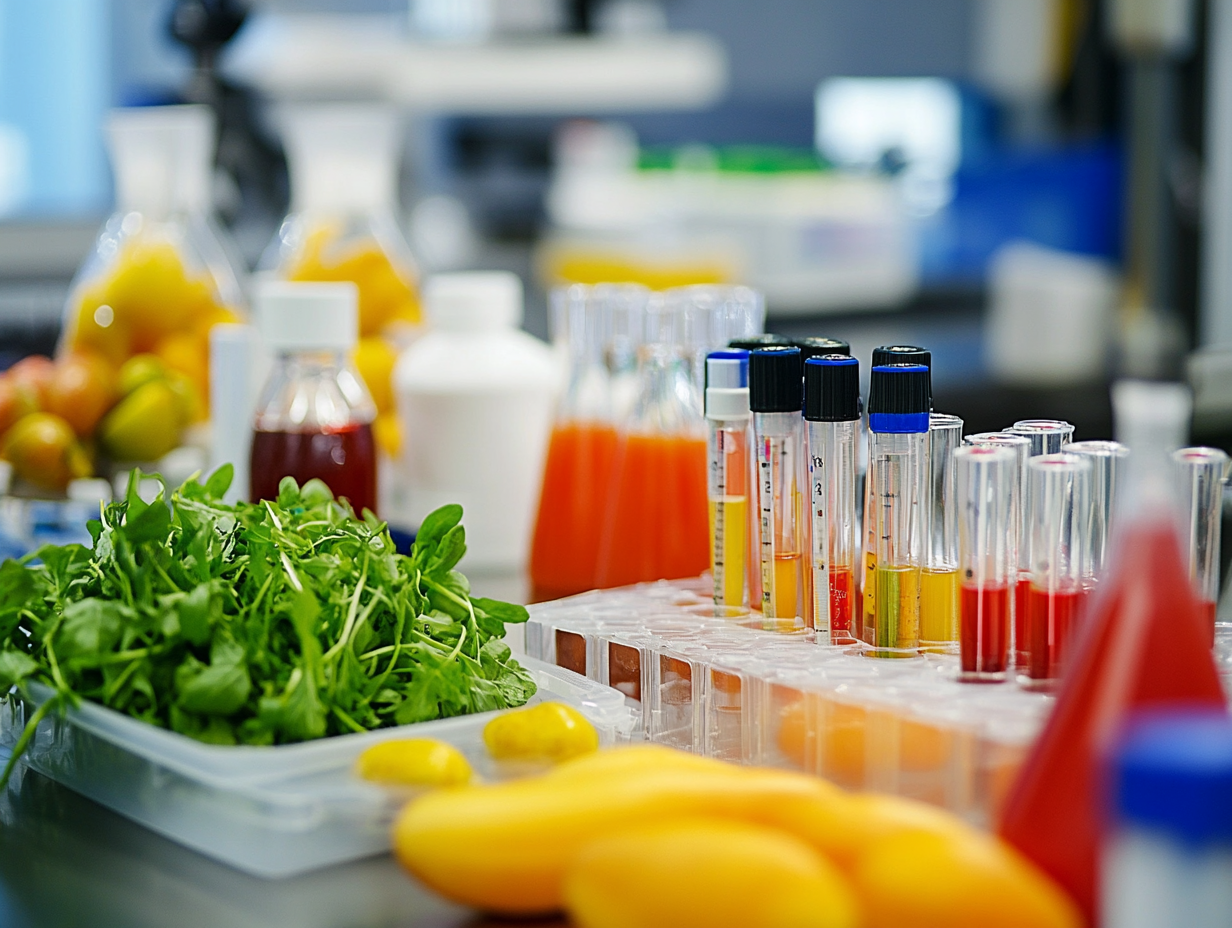
Blood tests are among the most valuable tools in modern medicine, but their accuracy depends on more than just the lab equipment. Your lifestyle in the hours and days before a blood draw can meaningfully shift results, sometimes enough to trigger a false diagnosis or mask a real problem. This guide covers the nine most common factors that interfere with blood work and explains exactly how to prepare so your results reflect your true health.
Alcohol
Even a single night of moderate drinking can alter several blood markers. Alcohol is metabolized primarily by the liver, and that processing directly elevates AST and ALT — the two enzymes clinicians use to assess liver health. A few drinks the evening before a blood draw can make a healthy liver look damaged on paper.
Alcohol also disrupts blood sugar regulation. It initially causes a glucose spike, followed by reactive hypoglycemia hours later as the liver prioritizes alcohol metabolism over glycogen release. This means your fasting glucose reading could be artificially low the morning after drinking.
Triglycerides rise sharply after alcohol consumption, sometimes remaining elevated for 24 to 72 hours. Chronic or heavy drinking introduces additional distortions: macrocytic anemia (elevated MCV on a CBC) caused by alcohol's toxic effect on red blood cell production, and electrolyte imbalances — particularly low magnesium and potassium — from alcohol's diuretic effect.
Preparation tip: Abstain from alcohol for at least 24 to 48 hours before any blood test. If you have a liver panel or lipid panel scheduled, 72 hours of abstinence is safer.
Diet and Nutrition
What you eat in the days leading up to a blood test — not just the night before — shapes your results. A diet high in saturated and trans fats elevates LDL cholesterol and triglycerides, potentially pushing a borderline lipid panel into an abnormal range. Conversely, a sudden shift to clean eating right before testing can make chronic dyslipidemia look better than it is.
High sugar intake causes glucose spikes that can be misinterpreted as prediabetes on a fasting glucose or HbA1c test. A high-protein meal the night before can elevate blood urea nitrogen (BUN) and certain liver enzymes, since the liver and kidneys work harder to process amino acids and nitrogen waste.
Dehydration is an underappreciated confounder. When you are dehydrated, plasma volume drops and blood markers become concentrated, artificially raising hemoglobin, hematocrit, electrolytes, and creatinine. This can make kidney function appear worse than it actually is.
Long-term dietary patterns matter too. Vegetarian and vegan diets are associated with lower B12 and iron levels, which may flag as deficiencies on bloodwork even when the individual is otherwise healthy. The Heart and Stroke Foundation of Canada recommends limiting sodium to 2,000 mg per day — exceeding this regularly can shift electrolyte panels.
Preparation tip: Fast for 8 to 12 hours before testing (water is fine and encouraged). Eat normally in the days prior — do not crash-diet or binge before a test.
Intermittent Fasting
If you practise intermittent fasting (IF) regularly, your body has adapted its metabolic baseline in ways that show up on blood work. During extended fasting windows, the body shifts from glucose metabolism to fat oxidation, producing ketone bodies. This is a normal physiological state for someone who fasts regularly, but it can surprise a clinician who is not aware of the patient's routine.
Regular IF practitioners often show lower fasting glucose and improved insulin sensitivity — their blood sugar numbers may appear unusually good compared to population averages. Triglycerides are typically reduced, reflecting the body's efficient use of fat stores for energy.
However, IF can alter liver enzymes (mild AST/ALT elevation) as the liver ramps up gluconeogenesis and ketone production. Electrolyte shifts — particularly lower sodium and potassium — are common during longer fasting windows, especially if hydration and mineral intake are not managed carefully.
Preparation tip: Maintain your usual fasting schedule leading up to blood tests. Do not break your routine to "normalize" results — your clinician needs to see your actual baseline. Inform your healthcare provider that you practise intermittent fasting so they can interpret results in context.
Sleep
A poor night of sleep does more than leave you tired — it actively distorts blood chemistry. Sleep deprivation triggers the hypothalamic-pituitary-adrenal (HPA) axis, elevating cortisol levels. Elevated cortisol stimulates gluconeogenesis in the liver, raising fasting blood glucose and potentially mimicking insulin resistance on a metabolic panel.
Inflammation markers respond to sleep loss as well. Studies consistently show that even one night of restricted sleep (under 5 hours) elevates C-reactive protein (CRP) and interleukin-6 (IL-6), both of which clinicians use to assess systemic inflammation. A single bad night could make an otherwise healthy person appear to have an active inflammatory process.
Sleep deprivation also alters the lipid profile: triglycerides rise and HDL ("good cholesterol") drops, a pattern associated with cardiovascular risk. White blood cell counts increase as the immune system responds to the physiological stress of insufficient rest.
Preparation tip: Aim for 7 to 9 hours of sleep the night before blood work. If you had a particularly bad night, consider rescheduling your test if possible. The Canadian Mental Health Association (CMHA) recommends consistent sleep habits as a foundation of overall health.
Stress
Acute and chronic stress activate the sympathetic nervous system's fight-or-flight response, flooding the bloodstream with cortisol and adrenaline. This cascade has direct, measurable effects on blood chemistry.
Cortisol triggers gluconeogenesis — the liver converts stored glycogen and amino acids into glucose — raising fasting blood sugar even if you have not eaten. In a stressed patient, this can look identical to early-stage type 2 diabetes on a glucose test. Chronic stress compounds this effect, contributing to genuine insulin resistance over time.
Stress hormones also raise LDL cholesterol by promoting the liver's production of very-low-density lipoproteins (VLDL). White blood cell counts increase as the body prepares for potential injury or infection, and inflammatory markers like CRP rise. For patients undergoing blood work to investigate fatigue, weight gain, or mood changes, stress-related distortions can send the diagnostic process in the wrong direction entirely.
Preparation tip: Practise deep breathing, a short walk, or another calming activity before your appointment. If you are going through a period of significant life stress, let your healthcare provider know — context matters for interpretation.
Medications and Supplements
Prescription medications, over-the-counter drugs, and supplements are among the most significant confounders of blood test results, yet patients frequently forget to disclose them.
Blood thinners (warfarin, heparin, DOACs) directly affect coagulation panels and INR readings — even slight dosing changes can shift results. Diuretics alter electrolyte levels, often causing low potassium and sodium, which can be misread as an underlying metabolic disorder. Statins, while lowering cholesterol effectively, can elevate liver enzymes (AST/ALT), sometimes prompting unnecessary concern about liver damage.
NSAIDs like ibuprofen and naproxen affect both kidney and liver markers with regular use. SSRIs (selective serotonin reuptake inhibitors) can alter thyroid hormone levels, occasionally producing readings that suggest hypothyroidism. Herbal supplements are not harmless either — St. John's Wort induces liver enzymes that accelerate the metabolism of other drugs, changing both liver function tests and the blood levels of co-administered medications.
Biotin (vitamin B7), commonly taken for hair and nail health, is notorious for interfering with immunoassay-based lab tests, potentially causing falsely abnormal thyroid, cardiac troponin, and hormone results.
Preparation tip: Bring a complete list of all medications, supplements, and over-the-counter drugs to every blood draw. Do not stop prescribed medications without your doctor's guidance.
Smoking
Smoking introduces a complex mix of chemicals into the bloodstream that distorts multiple blood panels simultaneously. The chronic inflammation caused by cigarette smoke elevates white blood cell counts — smokers' WBC readings are consistently higher than non-smokers', which can mask or mimic infection or other inflammatory conditions.
Carbon monoxide from inhaled smoke binds to hemoglobin, forming carboxyhemoglobin. The body compensates by producing more red blood cells, resulting in falsely elevated hemoglobin and hematocrit levels. This polycythemia-like picture can obscure genuine anemia or, conversely, lead to unnecessary investigation for blood disorders.
Smoking worsens the lipid profile substantially: LDL and triglycerides increase while HDL decreases, a combination that amplifies cardiovascular risk. Liver enzymes (particularly GGT) are elevated in smokers due to the liver's role in metabolizing the thousands of chemicals in cigarette smoke. Nicotine itself raises blood glucose by stimulating adrenaline release and promoting insulin resistance.
Preparation tip: Abstain from smoking for 12 to 24 hours before a blood test. Be honest with your healthcare provider about your smoking status — it directly affects how they interpret your results.
Climate and Altitude
Environmental conditions influence blood composition in ways that are easy to overlook, particularly for Canadians travelling between regions or getting tested in different seasons.
Cold weather increases blood viscosity as the body constricts peripheral blood vessels to conserve heat. This raises hematocrit and hemoglobin concentrations, which can be misinterpreted as polycythemia. Conversely, hot weather and excessive sweating cause dehydration, concentrating blood markers — electrolytes, creatinine, and hemoglobin all read higher than they would in a well-hydrated state.
High altitude has a well-documented effect on blood tests. Lower oxygen availability stimulates the kidneys to produce erythropoietin (EPO), which drives red blood cell production. People living above 1,500 metres — or Canadians visiting mountain towns in British Columbia or Alberta — will show elevated hemoglobin and hematocrit that are physiologically appropriate but may look abnormal by sea-level reference ranges.
Seasonal allergies can also elevate eosinophil counts on a CBC, a finding that might otherwise prompt investigation for parasitic infection or other eosinophilic conditions.
Preparation tip: If you recently travelled to a high-altitude area or had your blood drawn during extreme weather, mention this to your healthcare provider. Laboratories in mountainous regions often use altitude-adjusted reference ranges.
Antioxidant Supplements
Antioxidant supplements — including vitamins C and E, selenium, beta-carotene, and coenzyme Q10 — are widely used, but their effects on blood work are frequently underestimated.
Vitamin E supplementation may modestly improve lipid profiles by reducing LDL oxidation, making cholesterol numbers look better than they would otherwise. Selenium supplementation has been shown to lower certain liver enzymes. Antioxidants broadly can reduce CRP and other inflammatory markers, potentially masking genuine chronic inflammation that a clinician needs to detect.
However, antioxidant supplements are not uniformly beneficial. High-dose beta-carotene can paradoxically increase CRP levels and has been associated with increased lung cancer risk in current and former smokers — a finding from the landmark CARET and ATBC trials that remains clinically relevant. High-dose vitamin E can interfere with warfarin and other anticoagulants, altering INR and increasing bleeding risk.
Vitamin C in high doses can interfere with glucose assays, producing falsely high or low blood sugar readings depending on the laboratory method used.
Preparation tip: Pause antioxidant supplements for 48 to 72 hours before blood testing, unless your healthcare provider advises otherwise. Always disclose supplement use to your clinician.
Quick Reference: Which Tests Are Affected
| Blood Test | Factors That Affect It |
|---|---|
| CBC — WBC | Smoking, sleep deprivation, stress, seasonal allergies |
| CBC — Hemoglobin/Hematocrit | Smoking, dehydration, altitude, cold weather |
| CBC — MCV | Chronic alcohol use (macrocytic anemia) |
| CBC — Platelets | Alcohol, smoking, stress |
| Liver Function (AST/ALT) | Alcohol, medications (statins, NSAIDs), smoking, intermittent fasting, high-protein diet, St. John's Wort |
| Lipid Profile (LDL, HDL, Triglycerides) | Diet, alcohol, smoking, sleep deprivation, stress, vitamin E, intermittent fasting |
| Blood Glucose | Diet, stress, sleep deprivation, smoking, alcohol, intermittent fasting, medications (diuretics), vitamin C |
| Electrolytes (Na, K, Mg) | Alcohol, dehydration, diuretics, intermittent fasting, heat/cold exposure |
| Kidney Function (BUN, Creatinine) | High-protein diet, dehydration, NSAIDs |
| Inflammatory Markers (CRP, IL-6) | Sleep deprivation, stress, smoking, antioxidant supplements, seasonal allergies |
| Cortisol | Stress, sleep deprivation |
| Thyroid Panel (TSH, T3, T4) | SSRIs, biotin supplements, St. John's Wort |
| Coagulation (INR, PT) | Blood thinners (warfarin), vitamin E, vitamin K intake |
How to Prepare for Accurate Results
Getting reliable blood work comes down to a handful of consistent habits in the days before your test. Here is a consolidated checklist:
- Fast for 8 to 12 hours before testing if required (water is always permitted and encouraged).
- Sleep 7 to 9 hours the night before your blood draw.
- Abstain from alcohol for at least 24 to 48 hours before testing.
- Avoid smoking for 12 to 24 hours before your appointment.
- Pause supplements — especially antioxidants and biotin — for 48 to 72 hours before testing, unless directed otherwise by your provider.
- Bring a complete medication list including prescriptions, over-the-counter drugs, and supplements.
- Disclose lifestyle factors — fasting routines, recent travel, altitude exposure, current stress levels, and smoking status all help your clinician interpret results accurately.
- Stay hydrated — drink water normally before and on the day of your test. Dehydration concentrates blood markers and makes venipuncture more difficult.
When in doubt, call your lab or healthcare provider ahead of time to confirm specific preparation instructions for your ordered tests.
TeleTest offers comprehensive blood testing services across Canada. Order your tests online and visit a lab near you.
Disclaimer: This blog post is intended for educational purposes only and should not be taken as medical advice. Always consult your healthcare provider for personal health concerns.